What this compares
A dryer sheet is used once. A dryer ball is used for years. That is the whole of the case for switching, and it is strong enough that the interesting question stops being balls against sheets and becomes which ball. Every low-tox ball on this page except ours is made of the same material: 100 per cent New Zealand wool, felted, sold in sets of four or six, at prices that differ by more than the fibre does.
We took five products, four of them from brands that sell themselves as the lower-tox choice, and read each against the things a reader can check from a product page in a couple of minutes: whether the materials are published and whether the page agrees with itself, what those materials and ingredients are when the published list is read against the site’s watch list, whether the product is a microplastic-shedding format and whether the page says so, what a load costs on the brand’s own lifespan claim, what the pack is made of, and which third-party marks the product carries. Nothing here turns on drying time, softness or noise in the drum. We have not dried anything.
What we found
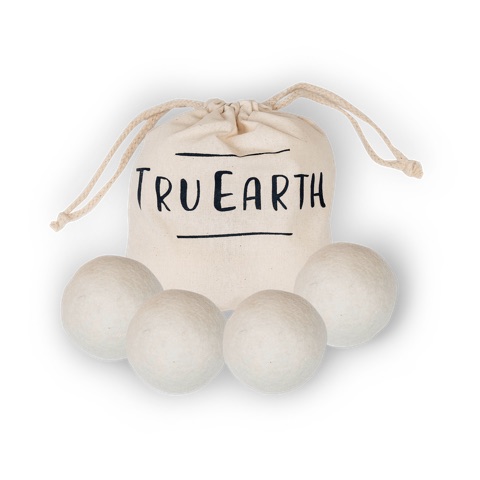
Vove is our choice in this category, and how that happened matters more than the choice. Smart Sheep is cheaper a load than our own set and just as full on its materials, and what keeps it behind us is that its product page never says what the balls arrive in[2]. Tru Earth sits behind us for the same reason, at $24.95 for its thousand loads against our $25.00[3]. A brand that leaves the packaging row blank gets no credit for the silence. That stance is ours, it was fixed before this category was researched, and here it cuts our way, which a site owned by a brand in its own table ought to say in the first paragraph rather than the last.
The blank cells on this page cluster in one column. Smart Sheep and Tru Earth both sell a durable object that has to arrive in something, and neither page says what[2][3]. Bounce publishes no price on its own site and no packaging description either[5]. Packaging is among the things this page reads, and taking a brand on trust where it published nothing would reward the page that said least, so those products sit below the ones that answered the question.
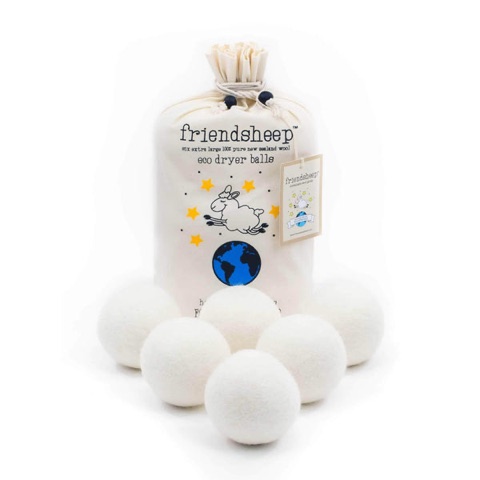
Friendsheep gives two lifespans for the same set on the same page. The bullets under the price say “Reusable for over 1,000 loads”. The FAQ further down says “Your Friendsheep Eco Dryer Balls are reusable for 2000+ loads”[4]. Both were on the page on 14/08/2026 and both describe this set of six. We used the figure the page leads with, which puts it at $0.04 a load, the dearest here. On the brand’s own second figure the arithmetic halves to $0.018 a load, which would make it the cheapest in the table by some way. Choosing between a brand’s two numbers is not our job, so the cost row uses the headline one and the transparency row is marked as contradicted. The same page names “azo-free dyes” in the bullets and then answers, lower down, that the balls are made with “no chemicals, dyes, or synthetic materials”. Smart Sheep is loose about lifespan too and keeps a clean transparency row, which is worth explaining rather than leaving to be spotted: that row reads the material statement, Smart Sheep’s material statement is not contradicted anywhere, and its looser figures sit in generic copy about wool dryer balls rather than in the description of this set[2]. Friendsheep’s two figures are both about this set.
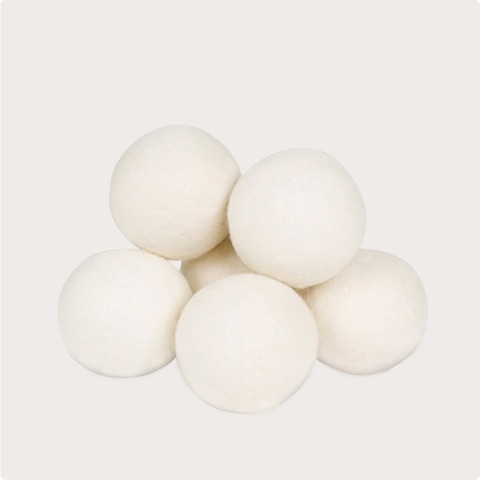
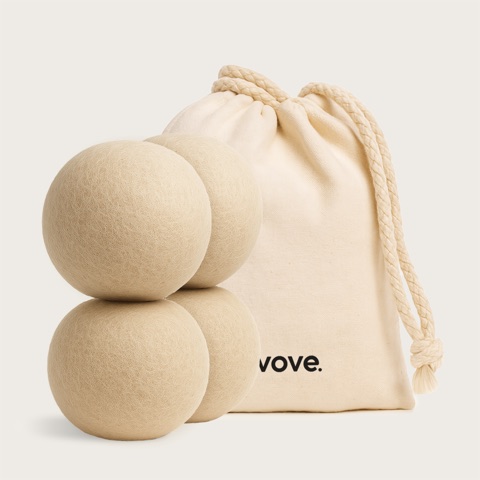
Every low-tox ball here except ours is 100 per cent New Zealand wool, and each brand says so on its own page[2][3][4]. That makes this shelf unusual. It is not a contest of formulations: it is one fibre from one country, hand-felted, sold between $19.95 and $36.00. Vove’s balls are hemp, a plant fibre rather than an animal one, and that is the only material difference in the category. It is also the only reason a household that reacts to wool has anywhere else to go on this shelf. No column here reads that, so it changes nothing in the table, and on a site Vove owns it is worth saying so rather than leaning on it. Friendsheep meanwhile calls its wool balls hypoallergenic and safe for sensitive skin[4]. Hypoallergenic has no agreed definition behind it. We report the claim and nothing more.
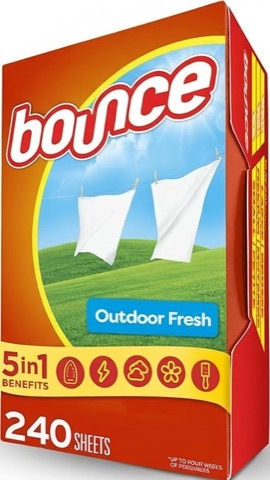
Bounce is the incumbent and the hardest of these to read. Its own site sells nothing: eleven sheet counts are listed, from 15 up to 240, and not one carries a price[5]. There is no ingredient list on the product page either. The page offers a SmartLabel link for ingredients, and that link renders nothing without JavaScript and returned no ingredient text at all to a plain fetch on 14/08/2026[6]. The materials read of 21/08/2026 reached the same list through SmartLabel’s own data feed, which is where the fragrance components below come from, and none of it appears on the page a shopper lands on. Cost per load and packaging both stay blank, and the transparency row reads worst on this page, which is hard on a page that does at least point at a list. It is what the evidence supports, because we could not read a list on the page a shopper lands on.
The microplastics row needs explaining rather than asserting. It asks for no polyvinyl alcohol and no microplastic-shedding format, and a sheet that goes in the bin after a load is a question about format rather than about an ingredient. Bounce does not say what its sheet is made of. The trade press describes the standard dryer sheet as a nonwoven polyester coated with a softening agent[8], and Bounce’s own guide says the sheet works by releasing conditioner onto the fibres of your clothes[7]. A format we cannot clear, on a page that will not describe it, reads worst of anything here. Publish the substrate and that changes.
The watch list gives this category a clean sweep and one exception. Every ball here, hemp or wool, comes back with nothing from either tier[1][2][3][4]. Bounce is the exception, and not in the way a dryer sheet usually is: the SmartLabel list names the perfume components rather than standing a single word in for them, so citronellol, coumarin, hexyl cinnamal, limonene and linalool are all disclosed allergens and all lower tier[6]. Nothing on that list reaches the upper tier, which is the right reading and a counter-intuitive one. What the list does not catch by name is the substrate, because a polyester sheet is a material rather than a formula entry, or the softener given as dialkylester dimethyl ammonium methosulfate, which is a quaternary compound the watch strings do not spell. Both are read on this page in the microplastics row and the transparency row instead.
One more thing about sheets, kept in its box. University of Washington researchers sampled the air leaving residential dryer vents while fragranced laundry products were in use, and reported more than 25 volatile organic compounds, of which seven were classed as hazardous air pollutants and two, acetaldehyde and benzene, as carcinogenic hazardous air pollutants[9]. That is vent air, measured at the vent. It is not a statement about your clothes, your skin or your health, and the study did not look at this Bounce product. None of it moves anything on this page. It is here because the gap between a coated sheet and an uncoated ball is the one thing in this category anybody has put an instrument on.
Vove’s page has its own faults and they are not small ones. Our choice costs $0.03 a load against Smart Sheep at $0.02, 25 per cent more for a claimed thousand loads[1][2]. Tru Earth prints at the same $0.02 and is fractionally under us at the till, at $24.95 for its thousand against our $25.00. Vove carries one third-party mark and it certifies the carton rather than the balls. The page calls them compostable and biodegradable without naming a standard, a condition or a time frame, which is the kind of unqualified end-of-life claim this site marks down on other brands. The FAQ asks whether you can add scent to the balls and answers with a sentence about how long they last. The reviews displayed on the page on 14/08/2026 are about dishes, food residue and enzymes, which belong to a different product. None of that sits inside a column on this page, so none of it moves the order. It is on the page, so it is on this one.
Every cost per load here rests on a lifespan a manufacturer wrote about its own product. Vove claims 1000+ loads, Tru Earth more than 1000, Smart Sheep up to 1,000 in its explainer and thousands in its bullets, and Friendsheep either figure depending on where you read[1][2][3][4]. Nobody has tumbled any of them for three years, ourselves included. The packs differ in ball count while the load claims do not, so a four-ball set and a six-ball set both arrive at roughly a thousand, and every brand here tells you to use more balls for a bigger load. Vove also rates its balls at up to 40 per cent faster drying and five times more absorbent than wool, and Friendsheep claims up to 40 per cent for wool on its own page[1][4]. Nothing on this site reads drying, so take the cost row as an ordering of published claims rather than of anything anyone has checked.